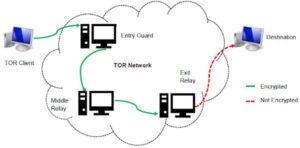
While it does host some illegal activities, it also provides a platform for secure communication and privacy protection, especially to those who most need it. The Tor network, for example, uses multiple layers of encryption (hence the term “onion routing”) to hide the origin and destination of data. This means data bounces through a series of volunteer-run nodes around the world, making it almost impossible to track. The majority of Dark Web sites use the anonymity software Tor, though a smaller number also use a similar tool called I2P. In theory, that prevents any spy—even one who controls one of those computers in the encrypted chain—from matching the traffic’s origin with its destination. Sure, there are a few privacy-focused reasons that people might use the dark web for non-nefarious reasons.
Recognizing And Avoiding Scams
For example, login access to a site, contents of a company database, etc. are not openly available using links on the internet. And since search engines need links to crawl the web, this content is not accessible by them. As stated earlier, neither of these connected content repository networks are illegal to access. Indeed, they must frequently be accessed by cybersecurity organizations conducting threat hunts or defending their networks or those of their clients. “The Tor network is another network which sits on top of the TCP/IP internet, stitching the participating computers together into a wholly new network ‘space’, not IPv4, not IPv6, but ‘Onion Space’.” When people go on about the so-called dark web, they’re usually talking about onion sites, which aren’t searchable via Google or accessible via standard browsers.
Why Small And Mid-sized Businesses Are A Huge Target For Cyber Attacks
Dark web encryption allows website owners and users to stay completely anonymous during their engagement. The high level of anonymity is the main reason the dark web is replete with illegal activity, from drug dealing and arms trafficking to the sharing of exploitative content and stolen login credentials. Next, we have the deep web which encompasses all online content not indexed by search engines. The deep web includes private databases, academic resources, and other non-public information. In essence, you either need to know about content on the deep web ahead of time in order to access it. In fact, it’s easier if you think of it as a separate internet altogether.
Myth 5: All Content On The Dark Web Is Easily Accessible
Even accessing legal content can raise eyebrows if you’re not careful, as some governments view dark web use with suspicion. This led to the creation of Tor (The Onion Router) in the early 2000s, a cornerstone of the darknet. By 2010, sites like Silk Road — a notorious marketplace for illegal activities — put the dark web in the spotlight. Over time, it evolved from a niche tool for techies to a global phenomenon, used by activists, criminals, and curious explorers alike. The dark web is a part of the internet that is only accessible with a special browser.
Enable Strong Security Settings
- However, the undeniable fact is that most of the activities that happen on the Dark Web are related to criminal actions.
- Pretty hard to stumble across that if you don’t already have the exact address, right?
- Understanding the dark web provides key insights into potential cyber threats, emerging attack techniques, and stolen content so you can protect yourself online.
- From a statistical standpoint, this collective of websites and data makes up under 5% of the total internet.
- Note that unlike on the surface web, dark web search engines act more like private browsing tools, because web pages on the dark web aren’t indexed and sorted.
The dark web is a hidden internet layer, accessible via the Tor browser and anonymity networks, offering both privacy and risks. While it empowers data protection, dangers like scams, malware, and legal trouble loom. Safe access requires caution, strong cybersecurity, and smart practices. It’s a hotbed of marketplaces for cybercrime, Ransomware-as-a-Service, data breaches and identity theft, and malware distribution. To help mitigate these threats, cybersecurity professionals like Digital Forensics employ deep web monitoring, threat intelligence, and advanced tracking techniques to keep their clients safe online.
Risks And Considerations
One of the most popular forums on the dark web include Paradise, where users can discuss social issues and problems in the world under the cover of anonymity. Almost everyone with access to the internet has a social media account on at least one of the most popular platforms such as Facebook, Instagram, or Twitter. Over the years, a number of social media platforms on the dark web have appeared, with BlackBook, Galaxy, and TorBook among the most popular. Ransomware-as-a-service (RaaS) kits have been available on the dark web for several years, but those offerings have become far more dangerous with the rise of specialized criminal groups like REvil or GandCrab.
Access The Dark Web Safely
On a purely technical level, I2P offers some real security and privacy advantages over Tor. However, interest in I2P has waned badly in recent years (which itself impacts I2P’s security), so many I2P “eepsites” and forums are now abandoned. I2P(new window) is designed to improve upon Tor’s onion routing system with its garlic routing(new window) (a somewhat tongue-in-cheek name). One key difference between Tor and I2P is that I2P bundles its data packets together into “cloves” before sending them through its network as messages rather than sending them one by one as Tor does. The dark web has a reputation for being a place where you can find and contact drug dealers and hitmen. There’s truth to this, but the dark web also offers a welcome refuge from overbearing government surveillance and the ubiquitous corporate capitalism that tracks your every move online.

False Sense Of Security
This ensures companies stay ahead of cybercriminals and can better prevent cyberattacks before they occur. The anonymity and privacy of the dark web make it a petri dish for crime, terrorism, and cyber threats. At the same time, many legitimately use the dark web to avoid censorship, conduct business research, share journalism, or conduct threat intelligence. Comprising 95% of the Internet, the deep web is made up of pages that aren’t intentionally indexed by search engines (2). Let’s demystify the dark web and explore its implications for cybersecurity and threat intelligence. Understanding the dark web provides key insights into potential cyber threats, emerging attack techniques, and stolen content so you can protect yourself online.

The dark web has flourished thanks to bitcoin, the crypto-currency that enables two parties to conduct a trusted transaction without knowing each other’s identity. “Bitcoin has been a major factor in the growth of the dark web, and the dark web has been a big factor in the growth of bitcoin,” says Tiquet. Many dark websites are set up by scammers, who constantly move around to avoid the wrath of their victims. Even commerce sites that may have existed for a year or more can suddenly disappear if the owners decide to cash in and flee with the escrow money they’re holding on behalf of customers.
Or they may have simply used old-fashioned investigative techniques such as turning administrators into informants, or found other hackable vulnerabilities in the target sites. Safety concerns on the dark web include encountering criminal-run websites offering illegal goods and services, with the added risk of exploitation and theft. Engaging in illicit activities can lead to prosecution, as the law applies equally in this hidden part of the internet. Suspicious links and downloads pose a threat too, potentially leading to exposure to unwanted material or malware infections.
How To Access The Dark Web: Other Types Of Tools And Encryption
However, others may be taking advantage of the dark web’s reputation to trick users out of large sums of money. Also, some users on the dark web may attempt phishing scams to steal your identity or personal information for extortion. On the software end, the use of Tor and other anonymized browsers is not strictly illegal. In fact, these supposed “dark web” browsers are not tethered exclusively to this portion of the internet. Many users now leverage Tor to browse both the public Internet and the deeper parts of the web privately.
In 2019, 620 million records were leaked or stolen from various companies including Dubsmash, MyFitnessPal and MyHeritage, and were later found for sale on the dark web. Stolen data often includes financial information, medical records, and social security numbers, which are used in identity theft and fraud schemes. Whereas you can typically find the homepages of deep web sites by searching (you just have to log in to access the rest), even dark web homepages are anonymized and unindexed. They typically include a random string of numbers and letters to make them impossible to guess. For example, as of today, the URL for the most popular forum on the dark web, Dread, is dreadytofatroptsdj6io7l3xptbet6onoyno2yv7jicoxknyazubrad.onion. Pretty hard to stumble across that if you don’t already have the exact address, right?