Despite the dark web’s anonymity, users still need tools to navigate its vast and often confusing landscape. Several dark web search engines have been developed to index and provide access to hidden services. Examples include Ahmia, which filters out illegal content and offers a safer search experience, and Torch, known for its extensive index of dark web sites.
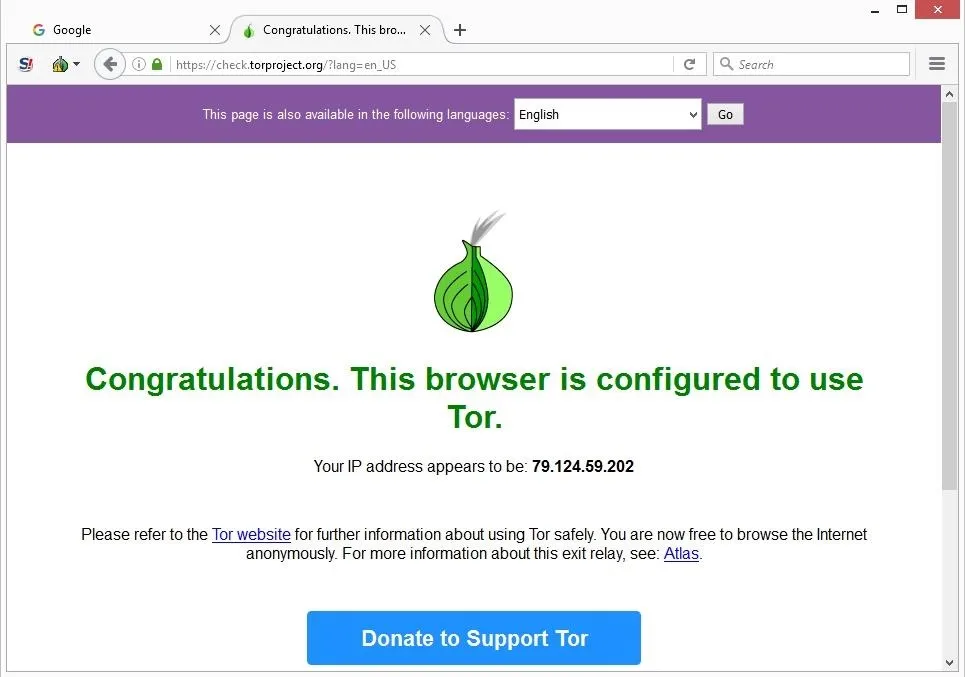
Some websites block Tor connections by detecting its exit node. Now that your connection is active, it’s encrypted and untraceable by your internet provider. Everything you do is protected by NordVPN, which is key to accessing the dark web and enjoying it privately. Before we explain how to venture into this part of the internet, we need to see what you’re setting yourself up for. Unlike the surface web, the dark web is a part of the internet not indexed by conventional search engines. Therefore, it’s inaccessible through conventional browsers like Chrome, Edge, Firefox, Brave, and others.
Essential Safety Tips To Minimize Risks
The Dark Web—a hidden part of the internet accessible only through specialized tools like Tor—often conjures images of mystery, intrigue, and even danger. However, navigating this hidden digital landscape in 2025 presents heightened security risks, from advanced cyber threats to targeted surveillance. This guide provides clear, step-by-step instructions to safely explore the Dark Web using Tor, helping you stay protected, informed, and anonymous. The dark web is the part of the internet that’s not indexed by public search engines like Google. It’s made up of forums, marketplaces, and websites you can’t find with a Google search and requires specialized software to access, such as the Tor Browser. Using a reliable VPN like ExpressVPN with dark web search engines is essential for protecting your privacy.
Stay Anonymous While You Browse
I strongly advise doing your own research to make sure you’re not breaking any local laws by visiting the dark web. Also, even in countries where accessing the dark web is legal, it’s still against the law to use or host sites that promote criminal activities. In many places, including the U.S., the UK, and the EU, accessing the dark web is legal for legitimate purposes. However, many sites on the dark web host illegal content or activities, and engaging with those can lead to serious legal consequences. In some countries, like Russia or China, dark web access itself may be blocked or penalized.
II Security And Anonymity On The Dark Web
- A dark web search engine is an online program that searches the dark web for websites not listed on regular search engines.
- To safely access the deep or dark web, always verify sites before visiting, disable JavaScript, and avoid sharing personal information.
- Forums often host ideological debates, echo chambers, and radicalization pipelines.
- Have you ever been asked to provide your MAC address and wondered what it is or where to find it?
Tor traffic has a distinct fingerprint, allowing ISPs and governments to detect its usage. While they can’t see your browsing activity, some countries monitor or flag Tor users. Use a VPN before connecting to Tor (Tor over VPN) or an obfuscated bridge, which makes Tor traffic look likfe normal web traffic. In an attempt to stop criminal organizations operating on the dark web, authorities are setting up fake websites to track possible criminal activity. By doing this, they get access to whoever is visiting the sites — including you if you accidentally end up there. In some parts of the world, simply using a browser like Tor can get you flagged by these agencies, even if you don’t partake in illegal activity.

How To Get On The Dark Web Safely & Anonymously In 2025?
These options include Torch, NotEvil, Haystak, Candle and AHMIA. Though these browsers are effective at serving up dark web search results, the experience is reminiscent of browsing the web in the late 1990s. To better understand how the dark and the deep web work, you must first understand how the open web operates. Web crawlers run the regular internet, scouring the web to discover newly published websites or pages in a process called crawling.
Risks And Vulnerabilities
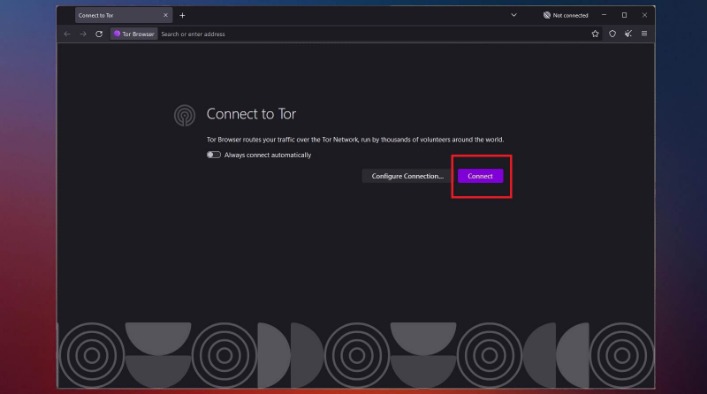
Before you embark on your journey into the Dark Web, it’s crucial to establish a secure foundation. While the Tor network is designed to provide anonymity, it alone cannot guarantee your privacy or safety. This section will guide you through the essential preparatory steps and tools to ensure that you remain as protected as possible while exploring hidden services and tor onion domains. You’ll know you’re on the dark web when the URLs end in “.onion” — these addresses only work inside the Tor network. While they make accessing Tor-hidden websites easier without the Tor browser, they can compromise your privacy and security by acting as intermediaries that might expose your data.
Onion Links: How To Access Them
This is an estimated reading time to let you know how long it will take you to read all the content on this particular PrivacySavvy.com page. However, it has a sneak peek, easy guide steps, and/or a quick list providing quick in-page navigations and easily-found answers if desired. The editorial team did not participate in the creation of this guide.
💡 Why Tor Isn’t Enough (and The Role Of Tails OS)
The data that all the organizations use privately falls directly under the deep web, they need to use some kind of authentication to use or see that data. The Silk Road was another thing that quickly became popular on the darknet. It was one of the highest-selling drug markets on the Dark Web and was shut down in 2013.
Tricky, but effective; that’s why it’s, by far, the best method to access dark web content. Instead, download Tor, the most secure and user-friendly option for accessing .onion sites. Despite some skepticism about its origins and privacy due to its military development, Tor remains the preferred choice for safe dark web navigation. While the Tor Browser is designed to protect your privacy, it’s not 100% safe on its own. Without a VPN, your ISP can see that you’re using Tor, and the first Tor server (entry node) can see your real IP address.
This means that if you do anything illegal on the dark web and are unlucky enough to be routed through one of these nodes, the authorities will be well aware of what you’re doing. Crawling is the process by which search engines scour the internet for new content and websites. That’s not to say that the entire deep web consists of these difficult-to-find websites. This may be a necessary weakness given Tor’s operating model, but it should come as no surprise that law enforcement agencies and cybercriminals have taken advantage of it.
Perhaps one of the major attraction factors of these forums is undoubtedly anonymity. Cybercriminals want to carry out their illegal activities without detection by law enforcement agencies and other authorities. One of its best features is Anonymous View, which is a free proxy that masks your identity while you’re browsing sites. It also always uses a secure HTTPS connection, so you’re safer on public Wi-Fi networks too.