Although they share similarities, these parts of the internet serve very different purposes. Knowing the difference between the Deep Web and the Dark Web is vital for online security and privacy. All sites on the dark web end with “.onion,” as opposed to “.com” or “.org” commonly seen on the surface web. That’s a deliberate ploy so that only browsers with specific proxies are allowed to access those sites. It’s also very difficult to remember the URLs of sites on the dark web, which is another way to maintain their anonymity. While criminal activity does occur on the dark web, how people choose to use the dark web is what matters.

In addition, just surfing the dark web can unleash malware on your computer. Besides, governments might actively monitor such activity, and anyone showing a keen interest in the dark web can become a law enforcement target. A dark web marketplace is the equivalent of eBay but on the dark web.
The Internet Is Not The Web
Organizations of all sizes, even large enterprises, can regularly leak sensitive data via public GitHub repos. The platform represents an often overlooked vector for cybercriminal reconnaissance and initial access. Merely exploring the dark web out of curiosity or for research purposes is typically not a problem. Similarly, researchers and cybersecurity professionals often use the dark web to monitor emerging threats, leaked credentials, or underground discussions that could signal potential cyberattacks.
How To Access The Dark Web

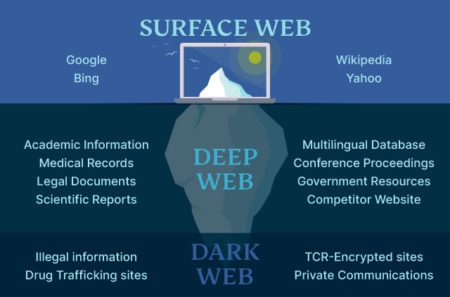
All web pages not indexed by web crawlers are considered to be a part of the deep web. The content is generally more secure and clean than that of the surface web. The average person doesn’t share their private life with just anyone; they let specific people know about it when the information is needed. For example, you might tell your closest friend about a problem in your personal life, but you would not tell the clerk at your grocery store. See how our intelligent, autonomous cybersecurity platform harnesses the power of data and AI to protect your organization now and into the future. The dark web is far from an illicit-themed zone but rather a liberating site for journalists and activists, for instance, to converse privately in constrained freedom-of-speech environments.
#2 Extra Protection
For example, in 2016, investigative news outlet ProPublica launched a hidden version of its website on the dark web to provide a secure and anonymous way for readers to access its content. This initiative aimed to protect the privacy of individuals in repressive regimes or those concerned about surveillance, allowing them to read news without exposing their identity. No, you cannot access the dark web through a regular browser, like Google Chrome, Firefox, etc.
Internet users familiar with encryption and cybersecurity likely know about VPNs, which can also mask your IP, but only to a certain point. Ultimately, the responsibility lies with individuals to govern their online conduct wisely. Prioritizing internet safety—utilizing encryption, employing secure passwords, practicing cautious engagement—can significantly reduce experiences of danger in both the deep and dark webs. As digital landscapes continue to evolve, so too must our commitment to understanding and navigating these complexities safely. Google, Bing, Yahoo, and all major search engines have bots that update their internet registries regularly whenever anything gets published on the internet. They index new entries and then show them for the relevant search queries made by the end users (us).
Later, when people search for specific content, the results appear in a search engine such as Google, where the content is then openly viewable. The dark web is known for illegal activities, including the buying and selling of drugs, weapons, and stolen data. To avoid becoming a victim of dark web scams, it is crucial to be cautious and skeptical of any offers or services that seem too good to be true. Avoid sharing personal information or engaging in illegal activities. Utilize reputable security software to protect against phishing attempts, and never engage with individuals or services offering illegal or unethical activities.
How To Access The Deep Web Safely?
The key difference between the deep web and a dark web is that they both are different from the surface internet and cannot be accessed for general purposes. However, the deep web requires authorization and the dark web requires specific sets of tools and software for decryption. The risks of the dark web come when you aren’t careful with what you access. The deep web is the part of the internet you can’t access through search engines like Google and Bing. Also referred to as “non-indexed” content, it’s any content hidden behind some kind of access control such as a log-in or code word. It contains 7,500 terabytes of information, compared to only 19 terabytes of information in the “surface” web.
Differences Between The Deep Web And Dark Web
Hackers and criminals often lurk on the dark web, targeting unsuspecting visitors with malware and scams. As such, it is essential to assess the potential risks before delving into the dark web to ensure adequate cybersecurity measures are in place. The risks of accessing the Dark Web include exposure to illegal content, potential scams, malware, and legal repercussions if one inadvertently engages in illicit activities.
Indexed Web
The Dark Web carries thousands of websites that are not visible to ordinary users since all the sensitive data found on the platform is encrypted and part of a decentralized network. One needs special software, authorization, and configuration to approach the Dark Web. Any website that search engine crawlers can index belongs to the “surface web” — the public internet for you to find and use. Deep web lurks just below, in the form of your user accounts, administrator access to website back ends, and more.
As such, it is a breeding ground for various types of threats that can jeopardize both individuals and organisations. From cybercriminals and hackers to illegal marketplaces and scams, the dark web poses a wide range of dangers that users must be aware of in order to protect themselves and their sensitive information. Understanding the types of threats on the dark web is crucial for taking the necessary precautions to safeguard against potential harm. The dark web plays a critical role in cybersecurity because it serves as a hidden marketplace and communication hub for cybercriminals. This anonymous layer of the internet enables the sale and exchange of stolen data, such as login credentials, credit card numbers, intellectual property, and sensitive corporate information. It’s also where zero-day exploits, malware kits, ransomware-as-a-service tools, and phishing templates are bought and sold.
- It turns out that a majority of cybercriminals, selling everything from compromised personal and financial data to drugs and hacking tools, constitute over half of Dark Web contents.
- The only users who have a legitimate reason to access such content are law enforcement agencies looking to identify, arrest and prosecute the criminals using it.
- The deep web is defined as the internet section that is not indexed by web crawlers.
- For most people who do not fall under this category, everything you could want is readily available on the surface web.
- Although most people use the Tor browser to access the dark web, it can also be used free of charge to gain privacy while surfing the normal indexed web (clear web/surface web).
- The TOR browser provides improved privacy and anonymity on the public Internet and makes it possible to access .onion sites on the Dark Web.
Firstly, use a reliable VPN to hide your IP address and avoid being tracked by law enforcement. Additionally, only access the dark web through a secure and anonymous browser like Tor. Avoid using your real name, email, or any personal information on dark web platforms to minimize the risk of being targeted by government agencies. The internet is a vast and mysterious place, filled with hidden layers beyond the surface web.
What Should I Do If My Social Security Number Is On The Dark Web?
As discussed above, user profiles on the deep web are home to valuable personal data to criminals. It is important to use strong, unique credentials for every account. Further, monitoring exchanges on dark web forums allows security personnel to gather threat intelligence.