The Silk Road on the dark web is often described as one of the most infamous online black markets in history. It operated on the hidden corners of the internet, outside of traditional search engines, and accessible only through encrypted software like Tor. Using the online moniker “Dread Pirate Roberts,” or “DPR,” ULBRICHT controlled and oversaw every aspect of Silk Road, and managed a staff of paid, online administrators and computer programmers who assisted with the day-to-day operation of the site.
However, very few users were identified and convicted based on their activities on Silk Road. In June 2013 the DEA seized Bitcoin worth about $800 in a separate raid. Dark web markets are home to a billion-dollar industry dealing in illicit goods. Unsettling dark web facts like this make them a great concern for governments. US agencies, like the FBI, are constantly working with international law enforcement groups to stop the growth of dark web markets around the world.
The Strange Saga Of Carl Force And Silk Road

Nob advised DPR against seeing the latest Batman, invited him to LA for tacos, and talked about how much Latinos like the Smiths. Out of 1.5 billion computers in the world, Tarbell started to think about just one machine, day after day. Before he knew it, Force was at a Silk Road summit, where he and 40 other agents picked through doughnut boxes and watched PowerPoint presentations filled with technical information about nodes and TCP/IP layers. Most of the agents’ eyes glazed over, but, yes, Force wanted in. Ross earned a scholarship to the University of Texas at Dallas and majored in physics. From there he landed a graduate scholarship at Penn State, where he excelled as usual.
Who Created The Silk Road?
Successor sites quickly emerged, attempting to fill the void left by the Silk Road. However, the lessons learned from Ulbricht’s downfall have made law enforcement more adept at tackling these hidden networks. The Silk Road’s legacy persists in discussions about internet freedom, privacy, and the ethical implications of decentralized currencies. Despite its “success”, Silk Road truly had a deep, negative impact on society. The site made it easier for people to access illegal drugs and other illegal goods, which led to an increase in drug-related crimes and deaths. The site also facilitated money laundering and other illegal activities, negatively affecting the global economy.
How Did Investigators Catch The Dread Pirate Roberts (DPR) In San Francisco?
Previously, the Silk Road was the most popular darknet market, created by Ross Ulbricht, AKA Dread Pirate Roberts. So, to find a current list of the most popular markets (such as White House Market or Empire), you can go to either Darknetlive or Dark.Fail. Dread was made by a Reddit user known as ‘HugBunter’ and was inspired by the recent ban of the ‘darknetmarkets’ subreddit. The goal of Dread is to offer a censorship-free forum, like Reddit, but with more services. They offer services such as market penetration testing and market development/hosting assistance.
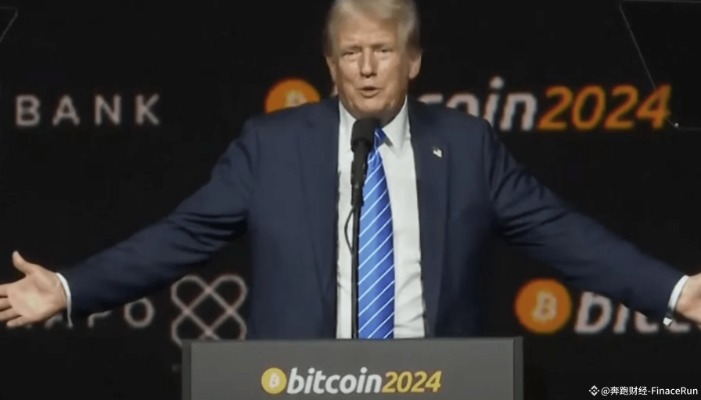
Libertarian activists, who generally oppose criminal drug policies, have long believed that government investigators overreached in building their case against Silk Road. Trump posted on Truth Social, his social media website, that he had spoken to Ulbricht’s mother on his first full day in office. But all use cryptocurrency to purchase, and all are delivered to your door.
The Fall Of Silk Road And Ross Ulbricht’s Conviction
Ulbricht’s harsh sentencing was intended to warn others involved in similar online criminal activities. In 2013, Ulbricht was arrested and charged with a range of crimes, including money laundering, conspiracy to traffic narcotics, and computer hacking. Silk Road was the first modern darknet market, known for providing a platform to buy and sell illegal drugs and promoting other illicit activities. The site was accessible through the anonymous Tor network and used Bitcoin for transactions. Ulbricht was convicted in 2015 and was sentenced to life without the possibility of parole until President Trump pardoned him. Through a combination of data anonymization technology, a trading platform, and a feedback system, Silk Road created a haven for drug traders.
Trump Pardons Ross Ulbricht, Creator Of Dark Web Marketplace Silk Road
Kiernan just understood machines, backward and forward, and became the spine of the cybersquad. He’d seen every case and knew all, like the Pit’s very own oracle—just the guy Tarbell needed to help probe Silk Road’s defenses. Tarbell thought it had benefits, but he also believed that all technologies could have their purposes corrupted.
Takeaways From Trump’s Second Inaugural Address
This allowed buyers and sellers on the platform to trade illicit goods and services with a lower risk of being traced by law enforcement. Law enforcement agencies worldwide have continued their efforts to combat dark web marketplaces, with several successful operations leading to the closure of major platforms. Notable examples include the takedowns of AlphaBay and Hansa in 2017, which were two of the largest dark web markets at the time.
“They trafficked in – anything you could get in the black market – poisons, things like that,” says Vincent D’Agostino, an FBI agent with the cyber division. Trump posted about the pardon on his social media platform, Truth Social, and it was reported by reputable news media outlets like Axios and the BBC. Federal documentation also confirmed the grant of clemency (archived). While many users believe that anonymity can provide safety, risks include scams, legal prosecution, and cybersecurity threats. Ross Ulbricht, using the pseudonym ‘Dread Pirate Roberts’, founded the Silk Road in 2011 with the vision of creating a decentralized marketplace that upheld individual freedoms and privacy, inspired by libertarian ideals.
Trump Revokes Kamala Harris’ Secret Service Protection
- Prosecutors said Ulbricht ran Silk Road under the alias Dread Pirate Roberts, a reference to a character in the 1987 movie The Princess Bride, and took extreme steps to protect the marketplace’s operation.
- Like a digital-era don, he could be affectionate and magnanimous in public but decidedly less humane behind the scenes.
- By learning from this historic case, we can better prepare ourselves to navigate the challenges and opportunities presented by the digital age, ensuring a safer and more secure online environment for all.
- The drugs arrived by mail with fake return addresses, slipped inside CD and DVD cases, or little ripples of cardboard.
- In a Manhattan courtroom on Tuesday, Roger Thomas Clark—also known by his online handles including Variety Jones, Cimon, and Plural of Mongoose—was sentenced to 20 years behind bars for his role in building and running Silk Road.
This setup ensured user anonymity and made it challenging for law enforcement to track transactions. It details how the site facilitated sales amounting to over 9.5 million Bitcoins between February 2011 and July 2013, highlighting the scale of its operations. In the context of the dark web, the Silk Road refers specifically to an online black market that surfaced in 2011. Here, users could buy and sell various goods and services anonymously. The closure of the Silk Road did not mark the end of dark web marketplaces.
IN OCTOBER 2013, Ross Ulbricht was arrested by the FBI and charged with money laundering, conspiracy to commit computer hacking and conspiracy to traffic narcotics. Two years earlier, Ulbricht had launched the Silk Road, the first modern dark web market, known for selling drugs that are illegal in the US. Despite the high-profile takedown of the Silk Road and subsequent government operations against other dark web markets, the demand for anonymous online marketplaces has persisted. New platforms have emerged, constantly adapting to the ever-changing landscape of the dark web in an effort to evade law enforcement. Despite the Silk Road’s demise, the demand for anonymous online marketplaces persisted. In the years that followed, several new dark web markets emerged to fill the void left by the Silk Road.
To escape prosecution, Bates testified against Ulbricht in 2015, while Clark was sentenced to 20 years in prison in 2023. By leveraging the anonymous Tor web browser and untraceable cryptocurrency, he soon realized his vision for a decentralized marketplace. All trades on Silk Road were conducted using the virtual currency bitcoin.